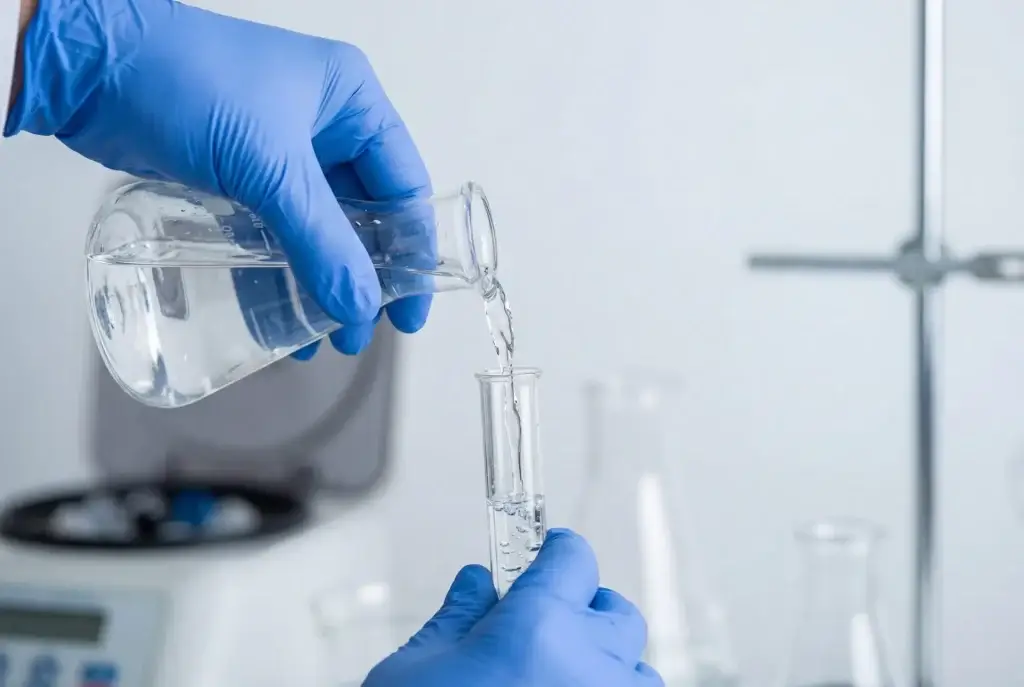
Drinking water is one of the most important parts of daily life, yet many people only think about water quality when something looks, smells, or tastes unusual. Clear water may seem safe, but appearance alone does not determine whether water is potable. Potable water is water that is considered safe for drinking, cooking, food preparation, brushing teeth, and everyday household use. It must meet recognized safety standards for biological, chemical, and physical quality.
The concept of potability is important because water can carry substances that are not visible to the eye. Some contaminants may affect taste, odor, or color, while others may be completely undetectable without laboratory testing. Drinking water safety standards exist to reduce the risk of exposure to harmful germs, metals, chemicals, and other contaminants. In the United States, EPA sets enforceable limits for many contaminants in public drinking water systems through National Primary Drinking Water Regulations. EPA defines Maximum Contaminant Levels as the highest levels of regulated contaminants allowed in drinking water.
Potable water is not simply “clean-looking” water. It is water that has been treated, monitored, tested, and evaluated against health-based standards. Public water systems use treatment processes and monitoring programs to make sure water meets required safety levels before it reaches homes and buildings. CDC explains that public utilities must regularly test the water they supply, including testing for more than 90 germs and chemicals that EPA limits in drinking water.
However, the water journey does not end at the treatment plant. After water leaves the municipal system, it may travel through miles of water mains, service lines, building pipes, storage tanks, fixtures, and faucets. This means the final quality of water at the tap may also be influenced by plumbing conditions, especially in older homes, apartment buildings, brownstones, and urban residential properties.
Understanding what makes drinking water potable requires looking at several factors: where the water comes from, how it is treated, what contaminants are regulated, how the water is tested, and how plumbing systems may affect the final water that people actually use.
What Potable Water Means
Potable water means water that is safe enough for people to consume. It should be suitable for drinking, cooking, washing food, preparing beverages, and other household uses that involve human contact. The word “potable” is often used in public health, water treatment, plumbing, environmental science, and laboratory testing. It describes water that meets acceptable safety requirements and does not contain harmful levels of contaminants.
A common misunderstanding is that potable water must be perfectly pure. In reality, drinking water usually contains naturally occurring minerals and small amounts of other substances. These may include calcium, magnesium, sodium, chloride, and other dissolved materials. The presence of minerals does not automatically make water unsafe. The important question is whether any substance is present at a level that exceeds safety standards or creates a health concern.
Potable water should be free from harmful levels of disease-causing microorganisms. These include bacteria, viruses, and parasites that may cause illness if consumed. It should also be free from unsafe levels of chemical contaminants such as lead, arsenic, nitrates, industrial chemicals, or certain treatment byproducts. Physical characteristics such as turbidity, color, taste, and odor may also be reviewed because they can indicate changes in water quality.
The World Health Organization describes safe drinking water as important for public health and notes that people need water that is sufficient, continuous, safe, acceptable, physically accessible, and affordable for personal and domestic use. This broader understanding shows that potable water is not only a technical issue. It is also connected to public health, sanitation, housing, infrastructure, and community well-being.
When water is considered potable, it means it has been evaluated against standards or guidelines that are designed to protect people. These standards are based on scientific evidence, health risk assessment, treatment technology, and ongoing monitoring.
Why Drinking Water Safety Standards Exist
Drinking water safety standards exist because water can carry contaminants that may affect health. Some contaminants occur naturally in the environment. Others may enter water through human activity, aging infrastructure, plumbing materials, agricultural runoff, industrial discharge, or treatment processes. Without standards, it would be difficult to determine when water is safe and when action is needed.
Safety standards create clear limits for many substances. These limits help public water systems know what to test for, how often to test, and what actions to take if a contaminant is found above an allowed level. Standards also help laboratories, health departments, property managers, and residents interpret water test results.
EPA’s National Primary Drinking Water Regulations are enforceable standards for public water systems. These rules cover many contaminants that may affect health. EPA also defines Maximum Contaminant Level Goals, which are non-enforceable public health goals, and Maximum Contaminant Levels, which are enforceable limits set as close to those goals as feasible while considering treatment technology and cost.
These standards are important because different contaminants create different types of risks. A microbial contaminant may cause illness quickly if harmful organisms are present. A chemical contaminant may create concern after long-term exposure. A metal such as lead may be especially important because it can affect children and vulnerable populations at low levels. Some substances may not create a direct health risk at typical levels but can affect taste, odor, staining, or water appearance.
Drinking water standards also help create public trust. When a utility publishes testing results or a laboratory provides a report, residents need a way to understand what the numbers mean. Standards provide the benchmark for that interpretation.
The Main Factors That Determine Potability
Potability is usually evaluated through three broad categories: biological quality, chemical quality, and physical quality. Each category tells something different about water safety.
Biological quality focuses on microorganisms. Water should not contain harmful levels of bacteria, viruses, or parasites. Public water systems use disinfection and treatment processes to reduce the risk of waterborne disease. Testing may look for indicator organisms, such as total coliform bacteria or E. coli, to help determine whether contamination may be present.
Chemical quality focuses on substances dissolved in water. These may include metals, minerals, nitrates, disinfectants, disinfection byproducts, industrial chemicals, pesticides, and other regulated or monitored compounds. Some chemicals may come from the source water, while others may enter water through pipes, plumbing materials, or environmental contamination. Chemical testing is important because many chemical contaminants cannot be seen or tasted.
Physical quality focuses on visible or noticeable characteristics such as color, odor, taste, turbidity, sediment, and temperature. Physical changes do not always mean water is unsafe, but they can be useful warning signs. Brown water may suggest rust or sediment. Cloudy water may be related to air bubbles, minerals, or suspended particles. A metallic taste may suggest plumbing interaction or mineral content.
A complete potability evaluation considers all three categories together. Water that looks clear may still contain contaminants. Water that appears discolored may be affected by harmless sediment, but it may also need testing to confirm whether metals or other substances are present. That is why laboratory analysis is useful when there is uncertainty.
Biological Safety: Germs and Microorganisms
Biological safety is one of the most important parts of potable water. Water can spread disease if it contains harmful microorganisms. These may include bacteria, viruses, and parasites. Public water treatment systems are designed to remove or inactivate these organisms before water reaches consumers.
Disinfection is a major part of biological protection. Chlorine, chloramine, ozone, ultraviolet treatment, and other methods may be used depending on the water system. The goal is to reduce microbial risk while maintaining water quality during distribution. Utilities may also maintain a disinfectant residual in the distribution system to help prevent microbial growth as water moves through pipes.
Testing for every possible organism is not always practical, so water systems often test for indicator organisms. Total coliform bacteria may indicate that a water system is vulnerable to contamination. E. coli is a more serious indicator because it may suggest fecal contamination. If these indicators are detected, further investigation or corrective action may be needed.
Biological safety is especially important for people with weaker immune systems, infants, older adults, and people with certain medical conditions. Even when water looks normal, microbial contamination can create health concerns if treatment fails or if contamination enters the system.
For private wells, building tanks, or plumbing systems with stagnation, biological testing may be especially useful. CDC advises that people with private wells test at least once each year for total coliform bacteria, nitrates, total dissolved solids, and pH, and use a state-certified laboratory for testing.
Chemical Safety: Metals, Nitrates, and Other Substances
Chemical safety is another major part of potability. Chemical contaminants may come from natural sources, industrial activity, agriculture, treatment processes, or plumbing materials. Some chemicals are regulated because they may affect health if present above certain levels.
Lead is one of the most discussed drinking water concerns. It can enter water from lead service lines, older solder, brass fixtures, or plumbing components. Lead is especially important because it may affect children’s development and has no beneficial role in the body. Copper can also enter water from plumbing corrosion, although copper is regulated differently and may have different health effects depending on concentration.
Arsenic may occur naturally in some groundwater sources or enter water from environmental contamination. Nitrates may be associated with fertilizer, agricultural runoff, septic systems, or natural sources. Disinfection byproducts can form when disinfectants react with natural organic matter in water. PFAS are another group of chemicals that have become a major drinking water concern in many communities.
Chemical testing helps identify whether these substances are present and whether their levels are above or below relevant standards. A detection does not always mean water is unsafe. Many substances can be detected at very low levels. The key question is whether the measured concentration exceeds an enforceable standard, health advisory, or recommended guideline.
Because chemical contaminants are often invisible, laboratory testing is essential. Water can look, smell, and taste normal while still containing a substance that should be evaluated.
Physical Quality: Color, Taste, Odor, Turbidity, and Sediment
Physical water quality refers to the characteristics people can often notice directly. These include color, taste, odor, turbidity, cloudiness, floating particles, sediment, and staining. While physical changes do not always mean water is unsafe, they can be signs that water quality should be investigated.
Clear water is usually more acceptable to consumers, but clarity alone does not prove safety. Some contaminants are invisible. At the same time, visible changes can provide useful clues. Brown or reddish water may be related to iron, rust, or disturbed sediment. Yellow water may be linked to pipe corrosion, organic matter, or certain minerals. Cloudy water may be caused by trapped air, suspended particles, or mineral content.
Odor can also provide clues. A chlorine smell may be related to disinfection. A rotten egg odor may suggest hydrogen sulfide in some water sources or plumbing conditions. A musty smell may be connected to organic matter or source water conditions. Taste changes, such as metallic, bitter, salty, or earthy flavors, may also suggest changes in water chemistry or plumbing interaction.
EPA also maintains secondary drinking water standards for some substances that affect aesthetic qualities such as taste, color, and odor. These secondary standards are not federally enforceable in the same way as primary health-based standards, but they help water systems manage nuisance concerns.
Physical quality matters because people are less likely to trust or use water that looks or tastes unusual. Even when a physical issue is not a direct health risk, it may point to plumbing conditions, sediment disturbance, or water chemistry changes that deserve attention.
How Municipal Treatment Helps Make Water Potable
Public water systems use treatment processes to make water safe before it enters the distribution network. The treatment method depends on the source water and the contaminants that must be controlled. Surface water from reservoirs, rivers, or lakes may require different treatment than groundwater from wells or aquifers.
Common treatment steps may include screening, coagulation, sedimentation, filtration, disinfection, pH adjustment, and corrosion control. Coagulation and sedimentation help remove particles. Filtration removes suspended material and some microorganisms. Disinfection helps kill or inactivate harmful organisms. Corrosion control helps reduce the likelihood that metals will dissolve from pipes and plumbing materials.
Treatment is not a one-time process. Utilities monitor water quality regularly to confirm that treatment is working. They may check turbidity, disinfectant levels, pH, microbial indicators, and chemical contaminants. Testing helps utilities identify problems before they affect consumers.
CDC notes that public utilities must test supplied water regularly and that the frequency of testing depends on the number of people served, the type of water source, and the contaminant being tested. This means larger or more complex systems may have detailed monitoring schedules designed to protect public health.
Treatment plants are a major reason public water is generally reliable in regulated systems. However, treatment plant quality is only one part of the potable water story. Water still has to travel through distribution mains, service lines, building plumbing, and fixtures before it reaches a person’s glass.
Why Plumbing Can Affect Water After Treatment
Even when water leaves a treatment plant meeting safety standards, it may change before it reaches the faucet. This is especially important in older buildings, dense urban neighborhoods, brownstones, apartment buildings, and properties with aging plumbing.
Water can interact with pipes, fittings, valves, tanks, and fixtures. If plumbing materials are old or corroded, they may contribute metals, rust, sediment, or taste changes. If water sits in pipes for several hours, such as overnight or during periods of low use, it may pick up more material from the plumbing system. This is known as stagnation.
Lead service lines, older solder, brass fixtures, galvanized pipes, copper pipes, storage tanks, and internal building risers can all influence water quality under certain conditions. Large apartment buildings may have more complex plumbing systems than single-family homes. Water may pass through pumps, tanks, risers, and long pipe runs before reaching individual units.
Plumbing effects may also be localized. One faucet may show a concern while another does not. One apartment may experience discoloration while another apartment in the same building has normal-looking water. This can happen because water takes different paths through a building.
For this reason, a municipal water quality report may not answer every faucet-level question. It can show the quality of water supplied by the utility, but it may not describe the exact water coming from a specific kitchen faucet after passing through building plumbing. When residents have concerns, faucet-level testing can provide more specific information.
The Role of Laboratory Testing in Determining Potability
Laboratory testing is one of the most reliable ways to evaluate whether water is potable. Testing provides measurable data that can be compared with safety standards and guidelines. Without testing, residents may have to rely on appearance, taste, or assumptions, which are not always reliable.
A laboratory test may analyze water for bacteria, metals, nitrates, pH, turbidity, hardness, total dissolved solids, chlorine, disinfection byproducts, or other substances. The right test depends on the concern. If the concern is old plumbing, lead and copper testing may be important. If the concern is discoloration, testing may include iron, manganese, turbidity, and sediment-related indicators. If the concern is bacterial contamination, testing may focus on total coliform and E. coli.
Sample collection matters. Some tests require first-draw samples, meaning water is collected after sitting in the pipes for a specific period. Other tests require flushed samples. Bacteria samples usually require sterile containers and careful handling. If the sample is not collected properly, the result may not accurately represent the water.
CDC recommends using a state-certified laboratory for water testing and notes that local health departments or certified labs can help people understand what tests may be appropriate.
Once results are available, they should be compared with applicable standards. A lab report may show detected substances and measured concentrations. Interpreting those numbers correctly is important. A result below a standard may indicate that the water meets the relevant requirement for that contaminant. A result above a standard may suggest the need for retesting, plumbing review, treatment, or professional guidance.
Potability in Urban Residential Buildings
Urban residential buildings can present unique water quality questions. Cities like Manhattan, Brooklyn, Jersey City, Hoboken, and other older urban communities include a wide variety of buildings. Some are newly constructed, while others may be more than a century old. Many have been renovated multiple times, resulting in mixed plumbing systems.
A building may have modern fixtures but older risers behind the walls. An apartment may have updated kitchen plumbing but still receive water through older common lines. A brownstone may have partial pipe replacements while retaining older service connections. These conditions can influence the final water quality at the tap.
Urban buildings may also use roof tanks, booster pumps, pressure zones, and shared plumbing systems. Water may travel a long distance inside the building before reaching a faucet. In some buildings, water may sit in tanks or pipes for extended periods. Maintenance practices can affect water quality, especially where tanks, valves, or older piping are involved.
Residents may become concerned when they notice brown water, cloudy water, metallic taste, odor, sediment, or changes after nearby construction or plumbing repairs. These signs do not always mean the water is unsafe, but they may justify further investigation.
Potability in urban buildings is best understood as a combination of municipal water quality and building-level plumbing conditions. Testing at the faucet can help identify whether a concern is isolated to a fixture, apartment, building, or wider distribution issue.
Common Reasons People Question Whether Water Is Potable
People often question water potability when they notice a change. The most common concerns include discoloration, unusual taste, odor, sediment, cloudiness, or information about old plumbing materials. Residents may also investigate water quality after moving into an older home, renovating a building, replacing fixtures, or learning that lead service lines may exist in the area.
Brown or reddish water may lead people to worry about rust or sediment. Metallic taste may raise concerns about metals. Cloudy water may make residents question whether particles are present. A chlorine smell may cause questions about disinfectant levels. Water that smells musty, earthy, or sulfur-like may suggest source water or plumbing conditions.
People may also test water for peace of mind. A family with young children may want to check lead levels. A property manager may test after plumbing work. A homeowner with a private well may test annually. A tenant in an older apartment may test if they notice recurring discoloration.
Not every concern means water is unsafe, but concerns should be taken seriously when they are persistent, sudden, or connected to vulnerable users. Testing helps separate visual concerns from measurable safety issues. It can also show whether the concern is related to the faucet, building plumbing, or a broader water supply issue.
Why Appearance Alone Cannot Confirm Safety
Many people assume that clear water is safe and discolored water is unsafe. In reality, neither assumption is always correct. Clear water can contain contaminants that are invisible. Discolored water may be caused by rust or sediment that is mainly aesthetic, although testing may still be needed to confirm what is present.
Some contaminants, such as lead, arsenic, nitrates, or certain chemicals, may not change the appearance of water. Water may look normal while still containing a substance that should be measured. This is why laboratory testing is important for specific concerns.
At the same time, visible changes should not be ignored. Color, particles, cloudiness, or odor may suggest that something has changed in the water system. These signs may be connected to pipe disturbance, plumbing corrosion, construction, water main work, tank maintenance, or fixture problems.
Appearance is useful as a first observation, but it is not a complete safety test. Potability depends on measurable water quality, not just visual impression. A proper evaluation may require reviewing local water reports, understanding plumbing conditions, and testing the water at the point of use.
How Residents Can Better Understand Their Drinking Water
Residents can better understand drinking water potability by combining public information with property-specific testing when needed. For public water systems, annual water quality reports provide useful information about regulated contaminants detected in the supplied water. These reports can help residents understand the general quality of water delivered by the utility.
However, a utility report may not fully describe water quality at an individual faucet. Building plumbing can influence the final water, especially where older pipes, lead service lines, storage tanks, or corrosion conditions exist. If concerns are specific to one property, faucet-level testing may be more useful.
Residents can start by identifying the type of concern. Is the water discolored? Does it have a metallic taste? Is there sediment? Is the concern only at one faucet or throughout the building? Did it begin after construction, hydrant flushing, repairs, or a period of low water use? These details can help determine what type of testing may be appropriate.
Testing should be done through a certified laboratory when results are needed for safety decisions. Local health departments or water quality professionals may also help explain which tests are relevant. For example, lead testing may require a different sampling method than bacterial testing.
Understanding drinking water is not about guessing. It is about using reliable information, testing when needed, and interpreting results against recognized standards.
Final Thoughts
Drinking water is considered potable when it is safe for consumption and meets recognized standards for biological, chemical, and physical quality. Potability is not based only on clear appearance or acceptable taste. It depends on treatment, monitoring, testing, and the condition of the systems that deliver water to the tap.
Public water systems play a major role in protecting drinking water. They treat water, monitor contaminants, test regularly, and compare results with safety standards. EPA regulations and CDC guidance provide important frameworks for understanding how drinking water is evaluated in the United States.
At the same time, final faucet water can be influenced by plumbing materials, building age, stagnation, corrosion, fixtures, service lines, and storage systems. This is especially important in older homes and urban residential buildings. A municipal report may show that water supplied by the utility meets standards, but a building-specific concern may still require testing at the faucet.
Laboratory analysis is the most practical way to evaluate specific water concerns. It helps determine what is present, how much is present, and whether the level is within accepted limits. For residents, tenants, homeowners, and property managers, understanding potability means looking at the full water pathway: source, treatment, distribution, building plumbing, and final tap.
Potable water is not just water that looks clean. It is water that has been evaluated, monitored, and confirmed to meet safety expectations for everyday use.