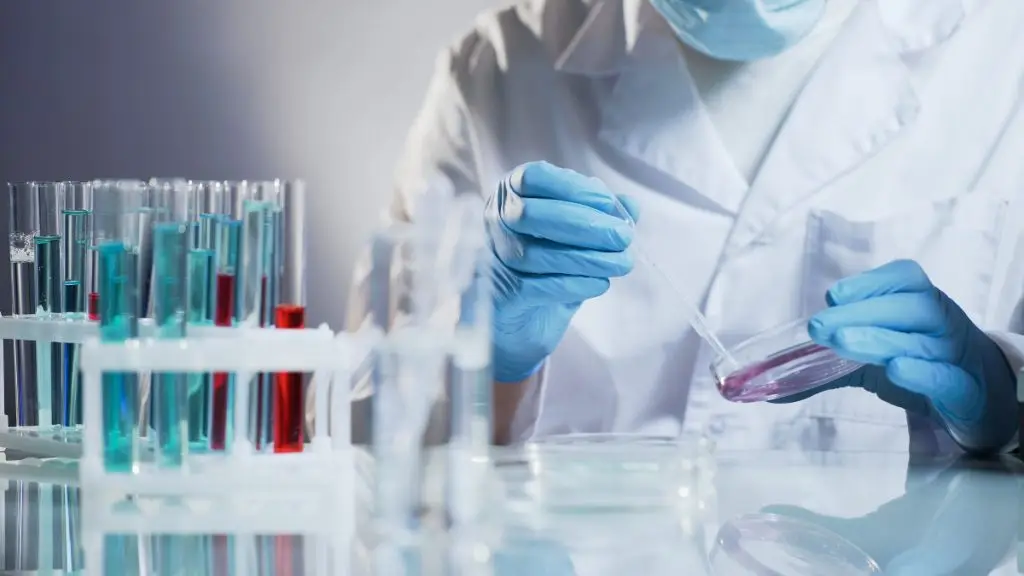
When most people think of water testing, they imagine a simple strip or a basic screening kit that offers a “pass/fail” result. While these entry-level tests can catch major, obvious problems, they often provide a false sense of security. They are the equivalent of a surface-level health check, catching only the most extreme red flags while missing the subtle, chronic issues that can affect your long-term health and your home’s infrastructure.
For homeowners who want to truly understand their water, advanced potability testing is the only way to get the full story. Here is why moving beyond a basic screen is essential for your peace of mind and your family’s well-being.
1. The Limitation of the “Basic Screen”
Basic water screens typically test for a very limited number of parameters, such as pH, hardness, and perhaps one or two common bacteria or heavy metals. While these are important, they fail to account for the complex chemical interactions occurring within your pipes.
If you only test for lead, for instance, you might miss the high levels of copper, arsenic, or manganese that could also be present. Furthermore, a basic screen doesn’t tell you why a contaminant is there. Advanced testing doesn’t just list the “what”; it helps you analyze the “how,” identifying whether your plumbing is corroding or if your water source itself is being impacted by external pollutants. Understanding what makes water potable requires a much more comprehensive view of these chemical interactions.
2. Identifying Synergistic Risks
Water chemistry is highly synergistic. One substance can mask or amplify the effects of another. Advanced laboratory analysis looks at a wide panel of inorganic and organic compounds simultaneously.
For example, high Total Dissolved Solids (TDS) combined with a low pH creates an “aggressive” water profile. A basic test might show that your lead levels are “within range,” but an advanced analysis would flag the aggressive chemistry that suggests your lead levels are likely to increase over time as your pipes continue to degrade. This forward-looking insight is impossible to get from a basic, single-point screen.
3. The “Last Mile” Diagnostic
Basic screens are often designed to test water as if it were coming straight from a pristine source, ignoring the fact that urban plumbing and potability are inseparable. Advanced testing allows you to conduct comparative analysis—testing at the point of entry (where the water enters your home) versus the point of use (your kitchen faucet).
This comparison is the gold standard for homeowners. If your source water is fine but your tap water shows heavy metal contamination, you have a clear, data-backed roadmap: your internal pipes are the culprit. A basic screen simply tells you there is a problem; an advanced test tells you exactly where that problem lives.
4. Setting Your Own Standards
While federal and municipal potability standards provide a baseline for safety, they are not always optimized for personal health goals. For example, the legal limit for a certain chemical might be higher than what you are comfortable with for your children or for brewing coffee.
Advanced testing provides the precise concentrations of these substances, allowing you to make informed decisions about whether to invest in specific filtration technologies. If your advanced results show elevated levels of a specific mineral, you can choose a specialized filter designed to remove it, rather than buying a generic system that may not solve the problem at all.
Moving Forward with Data
If you are ready to stop guessing and start managing your water quality, consider the following steps:
- Consult a Certified Lab: Move away from generic store-bought kits. Reach out to a state-certified laboratory that can perform a comprehensive, multi-parameter analysis.
- Document Everything: Treat your water report like a medical record. Save these files and compare them year-over-year to identify trends.
- Leverage Expert Resources: Our resources page provides guidance on what a comprehensive test package should include. If you are struggling to understand a complex lab report, our FAQ section breaks down the technical jargon into actionable steps.
Water safety is an ongoing process of monitoring and maintenance. By choosing advanced testing, you are choosing to prioritize accuracy over convenience, ensuring that your home remains a truly safe environment.
For more deep dives into the science of water quality and tips on maintaining your plumbing, browse our blog.
To learn more about the testing methods used in professional laboratories, the EPA’s list of Approved Analytical Methods provides an authoritative look at the rigor required for accurate water assessment.
Are you currently using a standard filtration system, and have you ever had the water at your kitchen tap tested by a professional laboratory?