Water is the most fundamental resource in any household. We rely on it for hydration, cooking, cleaning, and personal hygiene, often without giving a second thought to what is actually coming out of the tap. While most municipal water systems in developed areas are rigorously regulated, “potability”—the state of being safe to drink—is not always a static guarantee.
As a homeowner, understanding your water quality is not just about peace of mind; it is about protecting the health of your family and the integrity of your home’s infrastructure. This guide explores what it means for water to be potable, how you can monitor it, and when you should take action.
What Does “Potable” Actually Mean?
At its simplest level, potable water is water that is safe for human consumption. It is free from disease-causing pathogens, harmful chemicals, and radioactive substances at levels that could pose a health risk. However, it is important to distinguish between “potable” and “palatable.”
Water can be technically safe to drink (potable) while still having a metallic taste, a strong chlorine odor, or a cloudy appearance (palatability issues). Conversely, water that tastes and looks pristine could still contain invisible contaminants like lead, PFAS (per- and polyfluoroalkyl substances), or bacteria. Understanding what makes water potable is the first step in differentiating between aesthetic preferences and genuine safety concerns.
The Sources of Your Home’s Water
To manage your water quality, you must first know where your water comes from. Home water generally originates from one of two places:
1. Municipal Water Systems
If you live in a town or city, your water is likely treated by a public utility. These facilities are bound by strict federal and state regulations, such as those set by the Environmental Protection Agency (EPA) in the United States, which mandate regular testing and reporting. These potability standards are designed to ensure that the water leaving the treatment plant is safe.
2. Private Wells
If you rely on a private well, you are your own water utility manager. Unlike municipal systems, private wells are typically not regulated by federal agencies, meaning you are responsible for testing the water quality yourself. Contamination can occur from agricultural runoff, failing septic systems, or natural deposits of minerals like arsenic and radon.
Why Your Plumbing Matters
Even if the water leaving a treatment plant is perfectly safe, it must travel through miles of pipes to reach your home. Once it arrives, it passes through your own plumbing system. Urban plumbing and potability are inextricably linked; old pipes, corroded fixtures, and lead solder can introduce contaminants into the water right before it hits your glass.
If you live in an older home, you may be dealing with aging infrastructure that is prone to leaching heavy metals. Periodic maintenance and, in some cases, pipe replacement or point-of-use filtration, can be necessary to maintain the water’s safety from the main line to your faucet.
How to Assess Your Water Quality
You don’t need a degree in chemistry to monitor your home’s water. Here is a practical approach for any homeowner:
Review Your Consumer Confidence Report (CCR)
If you are on a municipal system, your water provider is legally required to send you a Consumer Confidence Report annually. This document outlines the findings of their water quality testing, including any detected contaminants and whether they exceed legal limits. It is a vital tool for understanding the baseline quality of your water.
Look, Smell, and Taste
While not a scientific method, your senses are a great first line of defense.
- Cloudiness: May indicate sediment or suspended particles.
- Strong Chlorine Smell: Common in municipal water, but excessive levels can be irritating.
- Metallic Taste: Often a sign of copper or iron leaching from your pipes.
- Rotten Egg Smell: Usually suggests the presence of hydrogen sulfide bacteria.
Professional Testing
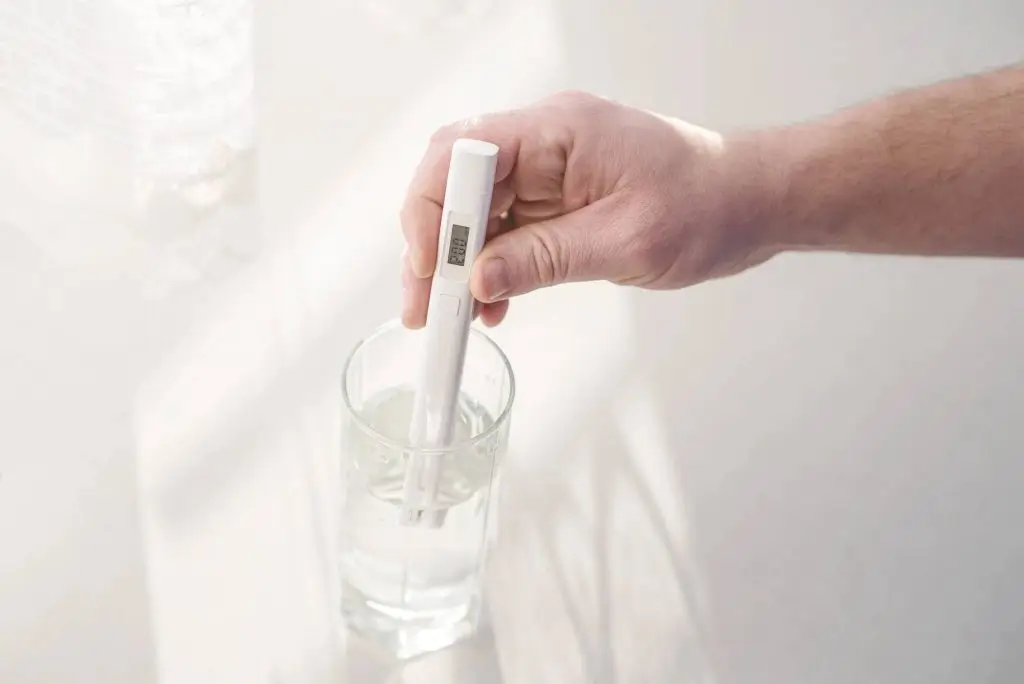
If you have concerns, do not rely on guesses. You can purchase DIY testing kits from hardware stores, but for the most accurate results, contact a state-certified laboratory. They can provide a comprehensive analysis that tests for bacteria, nitrates, heavy metals, and other specific contaminants. Many local health departments provide resources to help homeowners find reliable labs in their area.
When Should You Use Filtration?
Not every home needs an expensive whole-house filtration system. In many cases, a simple point-of-use filter is sufficient to address specific issues.
- For taste and odor: Activated carbon filters are excellent at removing chlorine and organic compounds that affect the flavor and smell of water.
- For lead: If you know your home has lead pipes, a filter certified to NSF/ANSI Standard 53 is essential.
- For hard water: If you notice scale buildup on your faucets and dry skin after showering, a water softener can improve the “feel” of your water, though this is primarily for appliance longevity rather than safety.
Before investing in a system, check out our resources page to learn about the different types of certifications and what they actually guarantee.
Protecting Your Water: A Checklist for Homeowners
- Locate your main shut-off valve: In an emergency, knowing how to stop the water flow is critical.
- Monitor water pressure: High pressure can stress your pipes, leading to leaks that allow contaminants to enter your system.
- Inspect visible pipes: Look for signs of corrosion, green staining (common with copper), or dampness.
- Test annually: If you have a private well, have it tested for bacteria and nitrates at least once a year.
- Clean your aerators: The small screens on your faucets can trap sediment over time. Removing and cleaning them periodically ensures good flow and prevents bacteria buildup.
Conclusion
Water potability is not just a government responsibility; it is a shared duty. By understanding your water source, paying attention to the condition of your plumbing, and staying informed through local reports, you can ensure that the water in your home remains a source of health rather than a cause for concern.
If you are still unsure about the safety of your water, or if you have specific questions about common contaminants in your region, feel free to browse our FAQ section for common concerns or explore our blog for deeper dives into water science. Being proactive is the best way to safeguard your home and your family’s well-being.
Disclaimer: This guide is for informational purposes only. If you suspect your water is contaminated, contact your local water utility or a certified water testing professional immediately. For more information on federal standards, visit the EPA’s Ground Water and Drinking Water website.