For a restaurant, water is a silent partner in every aspect of the business. It is the base for soups and stocks, the medium for steaming vegetables, the secret to a perfect crust, and the primary ingredient in coffee, tea, and fountain drinks. Yet, while professional kitchens are obsessive about food sourcing and kitchen hygiene, the water supply is frequently treated as a “set it and forget it” utility.
In the hospitality industry, “potable” isn’t just a safety standard—it’s a matter of brand reputation and product quality. Here is why restaurants need to move beyond basic compliance and seek deeper answers about their water potability.
1. The Impact on “Flavor Profiles”
Potability is the baseline for safety, but water quality is the baseline for consistency. Even water that meets every municipal health code can vary in mineral content, pH levels, and chlorine concentration. These subtle differences act as the “solvent” for your ingredients.
For example, water with high mineral content (hard water) can extract coffee and tea flavors differently than softened or filtered water. If your restaurant relies on a specific “house taste,” fluctuating water quality can sabotage your recipes. Understanding what makes water potable is the first step in realizing that, for a restaurant, “safe” is the floor, not the ceiling.
2. Protecting Expensive Equipment
Commercial kitchen infrastructure is a significant investment. High-end espresso machines, ice makers, steamers, and dishwashers are notoriously sensitive to water quality.
Scale buildup—often a result of high calcium and magnesium levels—is the leading cause of premature failure in these machines. Similarly, urban plumbing and potability issues can lead to corrosion that destroys expensive valves and heat exchangers. A robust water management plan doesn’t just protect the customers; it protects your bottom line by extending the lifespan of your heavy equipment.
3. The “Last Mile” Risk in Older Buildings
Many popular restaurants are located in historic or older urban buildings. Even if the city provides high-quality water, the building’s internal plumbing may be decades old.
While municipal systems are held to strict potability standards, that legal obligation typically ends at the meter. Once the water enters your building’s pipes, the liability—and the risk of contamination from lead solder or corroded iron pipes—effectively shifts to the business owner. A restaurant that doesn’t test its water at the point of service is gambling on the integrity of pipes they likely do not own or control.
4. Beyond Basic Compliance: The Customer Perspective
Modern diners are more informed than ever. They are increasingly concerned about the provenance of their ingredients, and that curiosity is extending to the water they are served. Whether it’s an allergy concern or simply an interest in health, customers appreciate a business that can confidently answer questions about their water quality.
Being able to state, “We use a multi-stage filtration system that removes chlorine and heavy metals,” is a powerful trust signal. It shows that you treat your water with the same level of care that you treat your ingredients.
How Restaurants Should Approach Water Strategy
Instead of relying on the municipal water utility’s annual report, successful restaurants should:
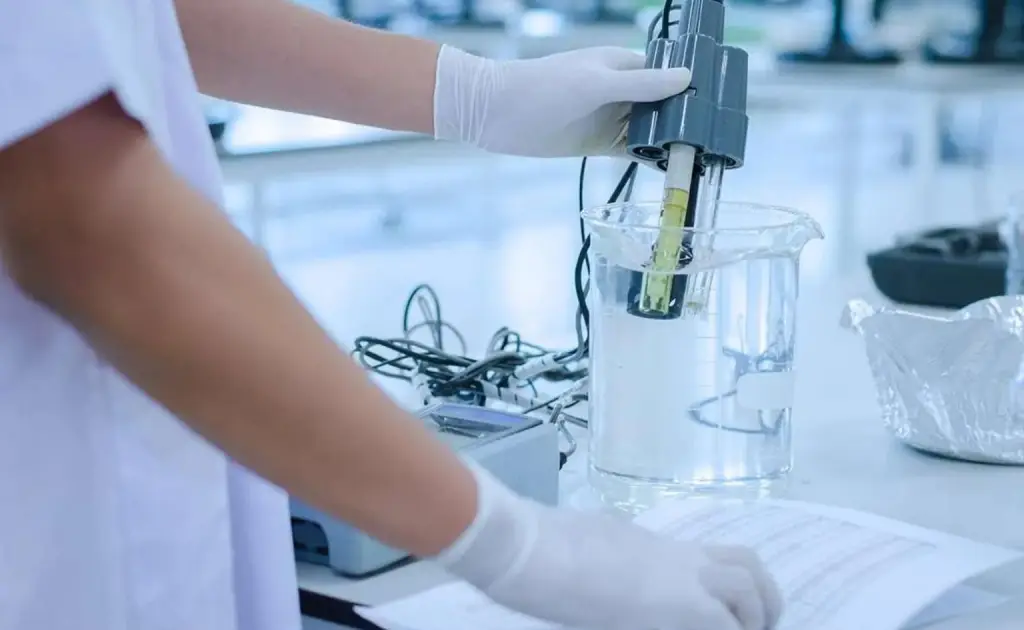
- Conduct Point-of-Use Testing: Don’t just test at the main line. Test the water coming out of the fountain, the ice machine, and the kitchen sink. These points of use are where your customers are actually exposed.
- Invest in Specialized Filtration: Use systems designed for the specific needs of your operation. For instance, an espresso machine needs different pre-treatment than a high-volume dishwasher.
- Establish a Maintenance Log: Treat your water filters like any other piece of critical kitchen equipment. Document when filters are changed and maintain a schedule for routine water testing.
For managers looking to build a more comprehensive water strategy, our resources page offers guidance on finding certified laboratories and understanding equipment-specific filtration. You can also explore our FAQ section for common hurdles faced by commercial properties when dealing with local water quality issues.
The Bottom Line
Water is one of your most significant operational inputs. When you improve your understanding of water potability, you aren’t just checking a compliance box; you are refining your flavor, protecting your assets, and building trust with your clientele.
For more deep dives into the science of water quality and how to manage it in high-volume settings, keep an eye on our blog.
For professional guidance on commercial water standards, the Water Quality Association (WQA) provides excellent resources and certifications for water treatment professionals who specialize in the food and beverage industry.
Does your restaurant currently have a dedicated maintenance schedule or filtration system designed specifically to optimize water quality for your menu items?