When you rent an apartment or live in a shared building, you gain the convenience of professional maintenance, but you also lose direct control over your home’s infrastructure. While municipal water providers ensure that water is safe when it leaves the treatment plant, the journey through a large, aging apartment complex can be a “black box.”
For renters, potability testing is not just about health—it’s about accountability and understanding the quality of the water you use every day.
The “Hidden” Risks of Multi-Unit Living
In a single-family home, you have a direct connection to the main line. In a large building, however, water often travels through complex internal systems—including booster pumps, storage tanks, and miles of shared piping—before it reaches your kitchen tap. This creates specific vulnerabilities:
- Stagnation: In buildings with low occupancy or rarely used units, water can sit in pipes for extended periods. This stagnation allows for the buildup of biofilm and the leaching of metals like lead or copper from older fixtures.
- Infrastructure Age: Many multi-unit buildings, especially in historic urban centers, rely on decades-old plumbing. Corrosion in shared risers and branch lines can introduce sediment, rust, and heavy metals directly into your unit, even if the city’s water supply is pristine.
- Maintenance Gaps: In shared buildings, maintenance is centralized. If a rooftop tank is neglected or a filtration system is not properly serviced, the entire building’s supply can be compromised.
Why Renters Need Data, Not Assumptions
As a tenant, you have a right to clean, potable water for drinking, cooking, and sanitation. However, “potability” is a technical standard, and local authorities often regulate water only up to the property line. Understanding your rights and the reality of your building’s plumbing is key:
- Your Right to Information: Your landlord is generally responsible for providing a supply of potable water. If you suspect an issue, you have the right to ask for past water quality test results. If the building uses a private well, this testing should be a mandatory annual occurrence.
- The “Last Mile” Responsibility: When you notice a persistent change in the taste, color, or odor of your water, it often indicates a localized issue within the building. Because this might not show up in city-wide reports, you are often the first line of defense in identifying a problem.
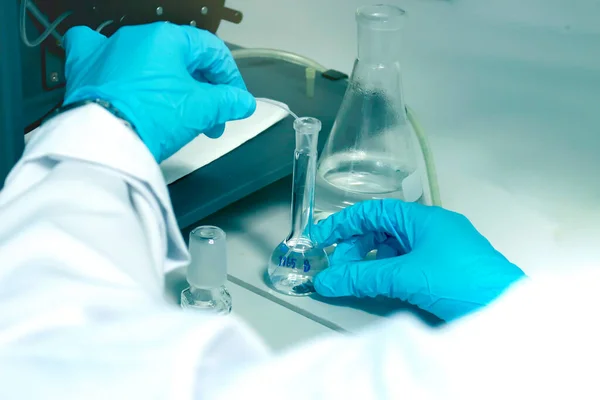
- Proactive Testing: You don’t have to wait for a building-wide advisory to act. If you have concerns, you can perform your own water quality testing using a certified lab kit. This gives you objective data to present to your landlord or management company if you believe the water is not meeting health standards.
Protecting Your Household
If you are concerned about the water in your rental, you can take control without needing to renovate the building’s plumbing:
- Communicate Early: If your water looks, smells, or tastes “off,” document it. Keep a log of when it happens and report it to your landlord in writing. In many jurisdictions, if a landlord cannot provide potable water, they are required to supply a safe alternative (like bottled water) while the issue is being resolved.
- Point-of-Use Solutions: If your building’s infrastructure is old but the water is generally considered safe by city standards, many renters choose to install high-quality, under-sink, or countertop water filters. These are non-permanent and can provide an extra layer of protection against contaminants that might be leaching from your specific unit’s plumbing.
- Simple Habits: If your building has older pipes, a simple habit is to “flush” the tap by running the cold water for 30–60 seconds if it hasn’t been used for several hours. This clears out water that has been sitting in contact with your unit’s internal pipes.
Empowerment Through Knowledge
Living in a shared building doesn’t mean you are helpless. By understanding what makes water potable and recognizing the unique challenges of urban plumbing and potability, you can be a more effective advocate for your own health.
Whether you are navigating discussions with a landlord or deciding on the right filter for your kitchen, our FAQ section offers guidance on how to interpret changes in your water quality. Stay informed by checking our blog for regular updates on how to manage water safety in non-traditional home environments.
If you believe your water is unsafe, do not hesitate to contact your local health department. They can often provide guidance on your rights as a tenant and may even perform an official site inspection if there is a suspected health hazard.
Does your lease or building management provide any information regarding the maintenance of your water system, such as how often the building’s main supply pipes or storage tanks are inspected?