Potability sounds like a single yes-or-no property, yet the useful question is always tied to a place, a fixture, and an intended use. For Queens families, owners, and tenants in Queens, the central issue is whether the water is appropriate for the ways it is actually used across private houses, condominiums, co-ops, and rental apartments. Queens housing types differ in plumbing control, access, and responsibility.
The first job is to replace a general worry with a collection design that can distinguish source conditions from changes inside the property. Fixture selection, recent use, treatment devices, occupancy, and plumbing work all affect what a result represents and how confidently it can guide action. The overview at Water Potability provides the broader foundation for relating source conditions, plumbing, standards, and intended use.
Keep Shared Principles While Changing the Sampling Scale Across Queens Housing Types
A household and a business may draw from the same public supply, yet their water-use patterns create different testing priorities. Homes center on drinking, cooking, bathing, infant preparation, and daily family exposure. Commercial properties may add high-volume food use, employee consumption, customer service, equipment protection, documentation, and downtime risk. The underlying scientific principles remain the same, but representative sample points and response timelines change.
In Queens, private houses, condominiums, co-ops, and rental apartments should not be forced into one standard template. A homeowner may need a focused kitchen and plumbing comparison, while a restaurant or office may require multiple operational endpoints and a written management plan. explains how urban plumbing can alter water after it enters a property. The comparison is useful because it prevents two mistakes: overcomplicating a small residence and under-scoping a high-use commercial system. The CDC guidance on monitoring building water supplies authoritative context for this part of the evaluation.
Expect Mixed Materials in Long-Lived Properties Across Queens Housing Types
Age alone does not determine potability, but long property history increases the chance of mixed materials and uneven renovation. A finished kitchen can connect to a much older branch line; a replaced riser can feed original apartment piping; a modern restaurant can occupy a building with legacy service components. Records may be incomplete, so observations such as pipe material, valve age, recurring scale, and prior repairs become useful supporting evidence.
In Queens, older private houses, condominiums, co-ops, and rental apartments should be sampled according to plumbing boundaries instead of relying on architectural appearance. Renovated and unrenovated areas may deserve comparison, and upper floors may not behave like lower floors when tanks or pressure zones are involved. The provides standards context for drinking-water components and health effects. Testing cannot date every hidden pipe, but it can show whether different sections of the facility or residence produce materially different water profiles and where further inspection is justified. Additional background is available in the Water Potability technical resources.
Preserve Negotiating Time for Water Questions Across Queens Housing Types
Water due diligence works best before the transaction compresses every decision into the final days. Buyers should ask about source water, private wells where applicable, service-line history, plumbing renovations, treatment devices, storage tanks, recurring taste or staining complaints, and any previous formal test reports. The absence of a complaint is not the same as a documented baseline, especially when a property has been vacant or lightly occupied during marketing.
A pre-closing plan in Queens should prioritize the outlets that will matter after move-in and allow enough time for certified analysis and interpretation. The NJDEP certified laboratory directory lists New Jersey certified laboratory resources, which is important when results may influence a significant property decision. helps determine buyers understand the relationship between potability standards and property plumbing. Results can inform negotiations, budgeting, or post-closing monitoring, but they needs to be understood with the inspection findings instead of treating used as a stand-alone guarantee of every future condition.
Choose Fixtures, Timing, and Flow Conditions Deliberately Across Queens Housing Types
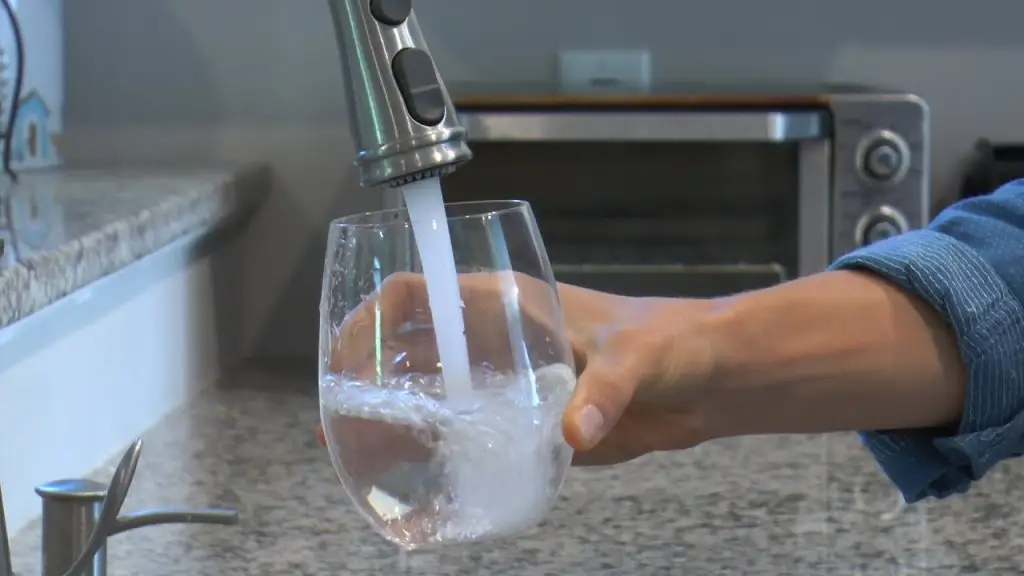
A defensible collection design states where, when, and under what flow condition each bottle will be filled. First-draw samples can answer questions about water that has remained in contact with local plumbing, while flushed samples can better represent water after a defined volume has moved through the line. Hot and cold water should not be treated as interchangeable, and a fixture with a filter or aerator may require a different protocol from an unmodified tap. The plan should be written before collection so that the desired story is not invented after the findings arrive.
In private houses, condominiums, co-ops, and rental apartments, paired locations are especially valuable. One sample may come from the primary consumption outlet and another from a point that helps test a specific hypothesis: entry versus endpoint, lower floor versus upper floor, before versus after treatment, or high-use versus low-use branch. Site notes should record flushing time, water temperature when relevant, fixture condition, recent use, and unusual events. urban plumbing and potability guidance provides a broader framework for matching urban plumbing realities to potability questions. These details cost little compared with the value they add to interpretation.
Distinguish the Public Supply From the Last Hundred Feet Across Queens Housing Types
Municipal treatment and property plumbing are connected, but they are not the same analytical question. Water may leave a public system under controlled conditions and then travel through a service line, meter assembly, storage tank, pressure equipment, riser, branch line, fixture, and optional filter before use. In Queens, that last portion can be short and simple or highly layered. Comparing an entry point with a representative endpoint helps reveal show whether a parameter is already present when water reaches the building or becomes more pronounced after contact with internal distribution.
This distinction prevents two common errors: blaming the utility for every fixture-level issue and assuming a favorable utility report describes every tap inside a property. The EPA explanation of drinking-water contaminant categories provides useful context for regulated public water, while property testing answers a different, site-specific question. Investigators should note service-line material when known, pressure zones, tanks, heaters, renovation boundaries, and any device that changes the flow path. Those facts do not replace laboratory evidence, but they make patterns in the data technically intelligible.
Choose Flushing, Repair, Treatment, or Monitoring for a Reason Across Queens Housing Types
The response should be proportional to the evidence. Some findings call for prompt restriction of a specific use and professional follow-up; others support flushing, fixture maintenance, targeted repair, treatment evaluation, or scheduled monitoring. A broad and expensive system replacement is not automatically the best response to one anomalous sample, just as repeated adverse findings should not be dismissed because the water looks normal. The action plan works best when it identifies the responsible party, the affected outlets, and the condition that will trigger confirmation testing.
In Queens, responsibility can sit with a homeowner, tenant, building board, landlord, restaurant operator, or facility manager. Clear documentation helps those parties coordinate. The plan ought to state what has been verified, what remains uncertain, and which next sample would reduce that uncertainty most efficiently. Readers can consult the broader water potability resource center when deciding how testing, plumbing work, and treatment fit together. The aim is not to produce the largest intervention; it is to make the smallest intervention that reliably addresses the demonstrated problem while preserving a record for future comparison.
Use Plain Language Without Diluting Technical Meaning Across Queens Housing Types
Water findings are easy to communicate badly. Overly technical summaries leave users confused, while vague reassurance can damage trust. A useful notice states what was sampled, what was found, which outlets or uses are affected, what immediate steps are recommended, and what follow-up is scheduled. It should distinguish confirmed facts from hypotheses and avoid implying that one fixture result represents an entire property unless the test layout supports that conclusion.
In Queens, communication may need to reach residents, staff, customers, board members, landlords, or regulators. The language should be proportionate: microbiological detections and health-based exceedances require clear urgency, while aesthetic or operational findings need accurate context. Linking readers to can provide background without crowding the notice. The best communication also creates a feedback channel so recurring locations, timing patterns, or symptoms can be documented and used to refine the investigation.
A Data-Driven Potability Plan for Queens: Housing Decisions
For Queens families, owners, and tenants in Queens, Reliable decisions come from disciplined boundaries: what was tested, where it was collected, which standard applies, and how the measured condition affects actual use. Keeping those boundaries visible makes the response both protective and proportionate across residential and commercial settings.