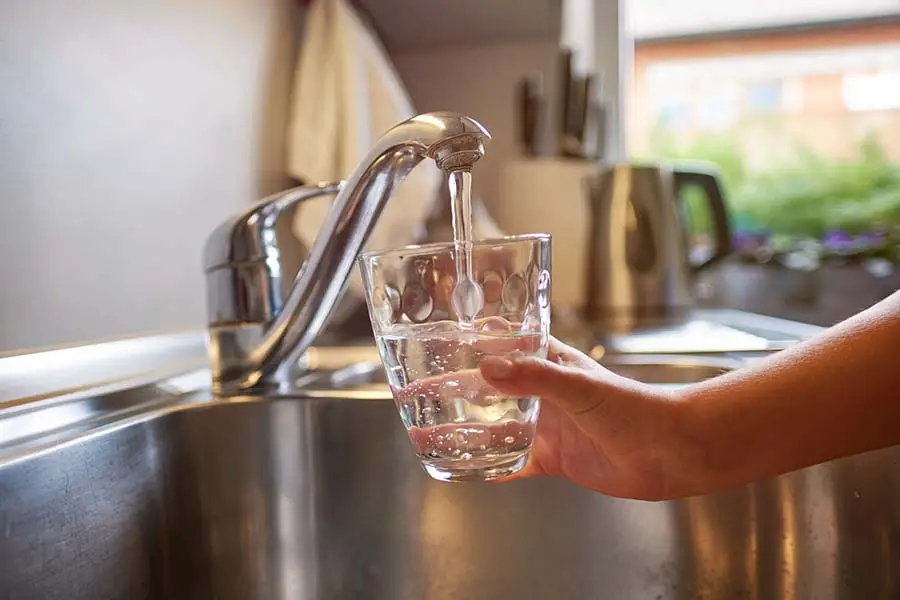
The word potable is often treated as shorthand for clear and drinkable, but professional evaluation is more disciplined than a visual impression. For residents, boards, and property managers in condominiums and co-op buildings, the central issue is whether the water is appropriate for the ways it is actually used across unit fixtures connected to shared risers and common equipment. Unit plumbing and common building systems overlap in condominiums and co-ops.
A practical assessment combines three layers that are often discussed separately: the incoming supply, the internal water path, and the way people use each endpoint. Observations help define those layers, but controlled collection and qualified analysis are what turn them into evidence. The overview at Water Potability provides the broader foundation for relating source conditions, plumbing, standards, and intended use.
Coordinate Building-Level Sampling Without Losing Unit Detail Across Unit and Common Plumbing
Shared buildings complicate attribution because one resident controls the faucet but not the entire water path. A result from a unit may reflect the fixture, flexible connector, unit branch, vertical riser, storage tank, pressure zone, or incoming supply. Differences between neighboring apartments can be informative as opposed to contradictory. They may show that units have different renovation histories, fixture materials, occupancy patterns, or positions on the distribution system.
A coordinated approach in condominiums and co-op buildings compares enough locations to test those possibilities without sampling every tap. The plan might pair the affected unit with a common-area outlet, a nearby apartment on the same riser, or a point in another pressure zone. Boards and managers should communicate the scope before sampling so residents understand what a single result can and cannot represent. may distinguish frame these urban-plumbing questions. A shared-building investigation succeeds when it narrows the probable level of the problem: fixture, unit, riser, zone, or building. The NSF standards for residential water treatment systems supplies authoritative context for this part of the evaluation.
Choose Fixtures, Timing, and Flow Conditions Deliberately Across Unit and Common Plumbing
A defensible collection protocol states where, when, and under what flow condition each bottle will be filled. First-draw samples can answer questions about water that has remained in contact with local plumbing, while flushed samples can better represent water after a defined volume has moved through the line. Hot and cold water should not be treated as interchangeable, and a fixture with a filter or aerator may require a different protocol from an unmodified tap. The plan should be written before collection so that the desired story is not invented after the data points arrive.
In unit fixtures connected to shared risers and common equipment, paired locations are especially valuable. One sample may come from the primary consumption outlet and another from a point that helps test a specific hypothesis: entry versus endpoint, lower floor versus upper floor, before versus after treatment, or high-use versus low-use branch. Site notes should record flushing time, water temperature when relevant, fixture condition, recent use, and unusual events. potability standards explained in plain language provides a broader framework for matching urban plumbing realities to potability questions. These details cost little compared with the value they add to interpretation.
Treat Partial Upgrades as a Clue, Not Proof Across Unit and Common Plumbing
Age alone does not determine potability, but long property history increases the chance of mixed materials and uneven renovation. A finished kitchen can connect to a much older branch line; a replaced riser can feed original apartment piping; a modern restaurant can occupy a building with legacy service components. Records may be incomplete, so observations such as pipe material, valve age, recurring scale, and prior repairs become useful supporting evidence.
In condominiums and co-op buildings, older unit fixtures connected to shared risers and common equipment should be sampled according to plumbing boundaries instead of treating architectural appearance. Renovated and unrenovated areas may deserve comparison, and upper floors may not behave like lower floors when tanks or pressure zones are involved. The EPA primary drinking-water regulations provides standards context for drinking-water components and health effects. Testing cannot date every hidden pipe, but it can show whether different sections of the specific property produce materially different water profiles and where further inspection is justified.
Account for Stagnation, Temperature, and Disinfectant Loss Across Unit and Common Plumbing
Water changes while it waits. In low-use branches, tanks, seasonal spaces, or vacant units, disinfectant residual can decline, temperature can shift, and contact time with plumbing materials can increase. These processes do not guarantee a problem, but they make occupancy and flow history relevant to both microbiological and chemical interpretation. A sample from a tap that has not run for weeks answers a different question from one collected after a day of normal use.
The explains how slowly moving or stagnant water increases water age and can create conditions favorable to building-water concerns. In condominiums and co-op buildings, investigators needs to identify remote fixtures, dead-end branches, oversized storage, closed tenant areas, and equipment bypasses. A controlled flushing plan may be appropriate before establishing a routine-use baseline, while an unflushed sample may be useful when the concern is exactly what users encounter after stagnation. The purpose must be explicit so the finding is not misread. Additional background is available in the Water Potability technical resources.
Use Plain Language Without Diluting Technical Meaning Across Unit and Common Plumbing
Water findings are easy to communicate badly. Overly technical summaries leave users confused, while vague reassurance can damage trust. A useful notice states what was sampled, what was found, which outlets or uses are affected, what immediate steps are recommended, and what follow-up is scheduled. It should distinguish confirmed facts from hypotheses and avoid implying that one fixture result represents an entire property unless the field strategy supports that conclusion.
In condominiums and co-op buildings, communication may need to reach residents, staff, customers, board members, landlords, or regulators. The language should be proportionate: microbiological detections and health-based exceedances require clear urgency, while aesthetic or operational findings need accurate context. Linking readers to can provide background without crowding the notice. The best communication also creates a feedback channel so recurring locations, timing patterns, or symptoms can be documented and used to refine the investigation. The CDC drinking-water health overview supplies authoritative context for this part of the evaluation.
Read Results as a Pattern Rather Than Isolated Cells Across Unit and Common Plumbing
Laboratory numbers must be read against the method, reporting limit, applicable standard, and sample purpose. A non-detect does not mean the substance can never be present; it means it was not measured at or above the laboratory’s reporting level in that sample. A detected value does not automatically establish the source. The analyst and property decision-maker should ask whether the finding is health-based, aesthetic, operational, or diagnostic, and whether it is consistent across related samples.
For residents, boards, and property managers, the findings becomes actionable when findings are grouped into priorities. Microbiological indicators and regulated health parameters require one kind of response, while hardness, iron, manganese, or total dissolved solids may call for equipment, maintenance, or aesthetic decisions. An isolated endpoint result may justify fixture or branch investigation; a repeated pattern across the building may justify broader plumbing review. The offers the official standards context, but premises-specific interpretation still depends on where the submitted bottles came from and what users need the water to do. Additional background is available in the Water Potability technical resources.
Avoid Expensive Fixes That the Data Does Not Support Across Unit and Common Plumbing
The response should be proportional to the evidence. Some findings call for prompt restriction of a specific use and professional follow-up; others support flushing, fixture maintenance, targeted repair, treatment evaluation, or scheduled monitoring. A broad and expensive system replacement is not automatically the best response to one anomalous sample, just as repeated adverse findings should not be dismissed because the water looks normal. The action plan ought to identify the responsible party, the affected outlets, and the condition that will trigger confirmation testing.
In condominiums and co-op buildings, responsibility can sit with a homeowner, tenant, building board, landlord, restaurant operator, or facility manager. Clear documentation helps those parties coordinate. The plan must specify what has been verified, what remains uncertain, and which next sample would reduce that uncertainty most efficiently. Readers can consult when deciding how testing, plumbing work, and treatment fit together. The aim is not to produce the largest intervention; it is to make the smallest intervention that reliably addresses the demonstrated problem while preserving a record for future comparison.
A Data-Driven Potability Plan for condominiums and co-op buildings: Shared Decisions
For residents, boards, and property managers in condominiums and co-op buildings, The final report is strongest when it remains connected to the physical water path. By pairing certified analysis with site notes and representative endpoints, owners and operators can protect users, avoid unnecessary work, and create a baseline that remains useful after occupancy, repairs, or equipment changes.