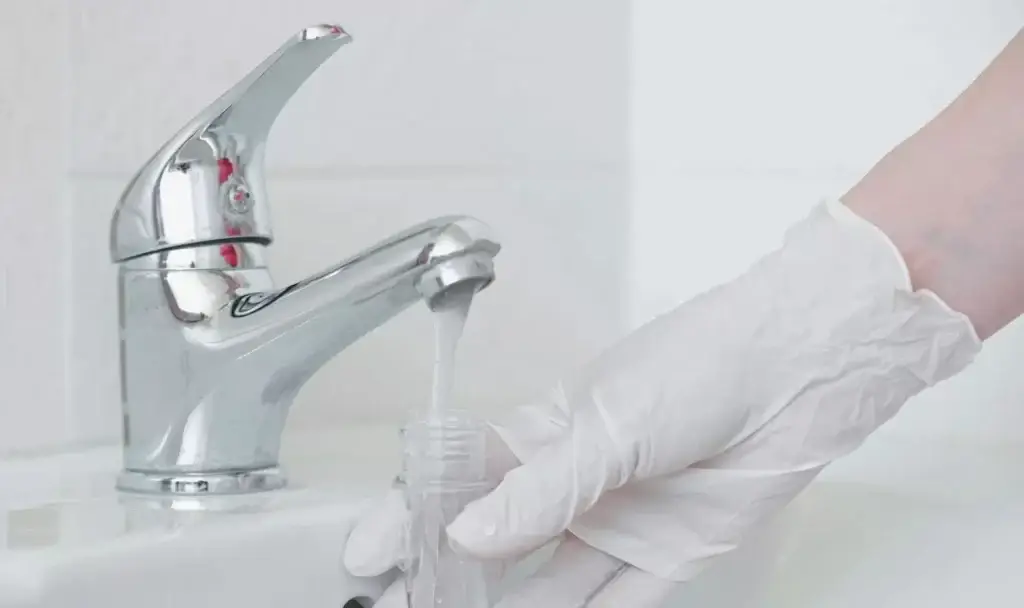
A meaningful potability review begins by replacing a vague feeling that the water is ‘off’ with a defined set of property questions. For owners, plumbers, and managers in recently repaired homes and buildings, the central issue is whether the water is appropriate for the ways it is actually used across replaced fixtures, valves, branch lines, service work, and water heaters. Repairs can disturb scale, alter flow paths, introduce new components, or leave branches stagnant.
The field work becomes clearer after the team separates observations from conclusions. Sensory changes, low flow, recent construction, illness concerns, or long periods of disuse can shape the scope, while the laboratory determines whether microbiological, chemical, or plumbing-related findings support the concern. The overview at Water Potability provides the broader foundation for relating source conditions, plumbing, standards, and intended use.
Sample Repairs at the Right Moment After the Wrenches Are Put Away
Plumbing work changes hydraulic conditions. Closing and reopening valves, cutting pipe, replacing fixtures, draining heaters, or restoring service can loosen scale and sediment, alter flow direction, and leave sections temporarily stagnant. A sample collected immediately during visible disturbance may document the event but may not represent the stabilized condition. The timing of post-repair testing should be chosen according to the purpose: verify disinfection, investigate a complaint, or establish a new baseline.
For replaced fixtures, valves, branch lines, service work, and water heaters, records must clearly identify exactly what was replaced, which outlets were flushed, whether aerators or filters were cleaned, and how long normal use resumed before sampling. Comparing a repaired point with an unaffected reference point can show whether the change is local. Where new components contact drinking water, the CDC building reopening and stagnation guidance explains the role of health-effects standards for plumbing products. Testing after repair is most useful when it confirms a defined objective instead of functioning as a vague final checkbox.
Choose Fixtures, Timing, and Flow Conditions Deliberately After the Wrenches Are Put Away
A defensible collection design states where, when, and under what flow condition each bottle will be filled. First-draw samples can answer questions about water that has remained in contact with local plumbing, while flushed samples can better represent water after a defined volume has moved through the line. The plan should be written before collection so that the desired story is not invented after the findings arrive.
In replaced fixtures, valves, branch lines, service work, and water heaters, paired locations are especially valuable. One sample may come from the primary consumption outlet and another from a point that helps test a specific hypothesis: entry versus endpoint, lower floor versus upper floor, before versus after treatment, or high-use versus low-use branch. Site notes should record flushing time, water temperature when relevant, fixture condition, recent use, and unusual events. urban plumbing and potability guidance provides a broader framework for matching urban plumbing realities to potability questions. These details cost little compared with the value they add to interpretation.
Interpret Metals as Part of a Water–Pipe Interaction After the Wrenches Are Put Away
Metals and minerals help describe the chemical environment in which the plumbing operates. Calcium, magnesium, iron, manganese, copper, lead, sodium, chloride, sulfate, and total dissolved solids can influence taste, staining, scale, corrosion behavior, and treatment selection in different ways. The significance of any result depends on concentration, source, regulatory status, and intended use. It is therefore better to read the profile as a set of relationships than to treat every detected constituent as equally alarming.
For recently repaired homes and buildings, useful interpretation asks whether the same pattern appears at an entry sample and at interior fixtures. A higher value at one endpoint may suggest local material contact, a device, or stagnant water; a similar value throughout the premises may point toward incoming water or a broadly shared condition. The NJDEP drinking-water consumer resources distinguishes health-based primary standards from secondary parameters associated with taste, color, deposits, and staining. Readers can also use to understand how metals and minerals fit inside a potability assessment instead of being added as disconnected numbers.
Read Bacteria Results Through Time, Temperature, and Flow After the Wrenches Are Put Away
Microbiological testing is unusually sensitive to collection technique. A bottle intended for bacteriological analysis is not an ordinary sample container; it may contain a preservative, must remain closed until collection, and should not contact hands, sink surfaces, aerators, or unapproved disinfectants. The selected outlet matters as well. A rarely used faucet can reflect local stagnation, while a heavily used kitchen or service tap may better represent routine exposure. The test question should specify whether the goal is general potability, investigation of a particular outlet, or evaluation of a building-water condition.
Indicator organisms are used because testing every possible pathogen is neither practical nor necessary for routine screening. The explains the regulatory role of total coliform and E. coli in public-water monitoring. A detection is not interpreted by guesswork: sample integrity, repeat confirmation, source type, recent plumbing work, and nearby sanitary conditions all matter. For replaced fixtures, valves, branch lines, service work, and water heaters, the follow-up may include resampling, comparing upstream and downstream points, examining storage or low-use branches, and reviewing whether the submitted bottle reached the laboratory within the required holding time. That disciplined sequence is what keeps bacteria in the discussion without turning one result into an unsupported story. Additional background is available in the Water Potability technical resources.
Inspect the Devices That Can Change Water After Entry After the Wrenches Are Put Away
Water-using equipment is part of the plumbing system, not an invisible accessory. Filters can become exhausted or poorly maintained, heaters change temperature and scale conditions, ice machines add internal surfaces, and storage tanks alter residence time. A sample taken only before equipment may miss what users receive; a sample taken only after equipment may wrongly attribute an incoming issue to the device. Paired samples can separate those possibilities.
For replaced fixtures, valves, branch lines, service work, and water heaters, maintenance records should be reviewed beside lab results. Filter model, certification, change date, bypass status, sanitation schedule, and equipment downtime can all matter. The EPA secondary standards for taste, staining, and dissolved solids describes standards used to evaluate residential treatment systems, while helps place treatment within the larger potability picture. Treatment should be selected for a demonstrated parameter and verified after installation; a device marketed for taste may not address bacteria, and a microbiological control step may not solve hardness or metals.
Use Repeat Sampling to Test Whether Conditions Persist After the Wrenches Are Put Away
One sample is a snapshot. That can be enough for a defined question, but intermittent complaints, seasonal changes, occupancy cycles, or recurring microbiological concerns may require a trend. Repeat sampling should not simply duplicate the first event; it should test a hypothesis under controlled conditions. Useful comparisons include first use versus normal use, before versus after maintenance, high occupancy versus low occupancy, and affected zone versus reference zone.
A monitoring plan for recently repaired homes and buildings should clearly record the frequency, endpoints, triggers, and decision rules in advance. If a parameter rises, the next step should already be defined. If results remain stable, the testing strategy can be reduced instead of relying on continued indefinitely. The provides building-water monitoring considerations related to flow and water age. the broader water potability resource center can make clearer property teams keep monitoring connected to the original potability question instead of generating data that no one knows how to use.
Avoid Expensive Fixes That the Data Does Not Support After the Wrenches Are Put Away
The response should be proportional to the evidence. Some findings call for prompt restriction of a specific use and professional follow-up; others support flushing, fixture maintenance, targeted repair, treatment evaluation, or scheduled monitoring. A broad and expensive system replacement is not automatically the best response to one anomalous sample, just as repeated adverse findings should not be dismissed because the water looks normal. The action plan must clearly identify the responsible party, the affected outlets, and the condition that will trigger confirmation testing.
In recently repaired homes and buildings, responsibility can sit with a homeowner, tenant, building board, landlord, restaurant operator, or facility manager. Clear documentation helps those parties coordinate. Readers can consult when deciding how testing, plumbing work, and treatment fit together. The aim is not to produce the largest intervention; it is to make the smallest intervention that reliably addresses the demonstrated problem while preserving a record for future comparison.
A Data-Driven Potability Plan for recently repaired homes and buildings: Repair Decisions
For owners, plumbers, and managers in recently repaired homes and buildings, A professional potability review should leave the responsible people knowing what the samples represent, which uses are affected, and what evidence is still missing. That clarity allows the next step to match the demonstrated condition instead of relying on assumptions about the neighborhood, the building age, or the appearance of the water.